Key Takeaways
- Cannabis tolerance drops after a break, making effects stronger at lower doses.
- Start slow and avoid returning to previous consumption levels.
- Low-THC and CBD-rich products help reduce anxiety and overconsumption.
- Microdosing allows a smoother, more controlled reintroduction.
- Choose gentle methods and listen to your body—less is often more.
Introduction
Taking a break from cannabis—whether intentional or unplanned—is something many consumers experience at some point. This pause might be driven by personal goals, health and wellness priorities, lifestyle changes, travel, work commitments, or simply a desire to reset habits. While stepping away can bring clarity and balance, returning to cannabis after a break often feels very different than before. Effects may arrive faster, feel stronger, and last longer, even at doses that once seemed mild.
This change happens because cannabis tolerance naturally decreases when consumption stops. The body’s endocannabinoid system becomes more responsive, meaning it takes less THC to produce noticeable effects. Without awareness and adjustment, this increased sensitivity can lead to discomfort, anxiety, or overconsumption—especially for those who jump back in using old habits or high potency products.
Easing back into cannabis thoughtfully allows you to reestablish a healthier, more intentional relationship with it. Rather than chasing intensity, the focus shifts toward balance, control, and understanding how cannabis affects your body and mind now—not how it did in the past. This approach can improve enjoyment, reduce unwanted side effects, and help you get more benefit from smaller amounts. In this guide, we’ll explore how cannabis tolerance works, why tolerance breaks are
beneficial, and practical strategies for reintroducing cannabis safely and comfortably. From choosing the right products and consumption methods to recognizing your new sensitivity levels and avoiding common pitfalls, this article is designed to help you return to cannabis with confidence, awareness, and ease.
Understanding Cannabis Tolerance and Tolerance Breaks
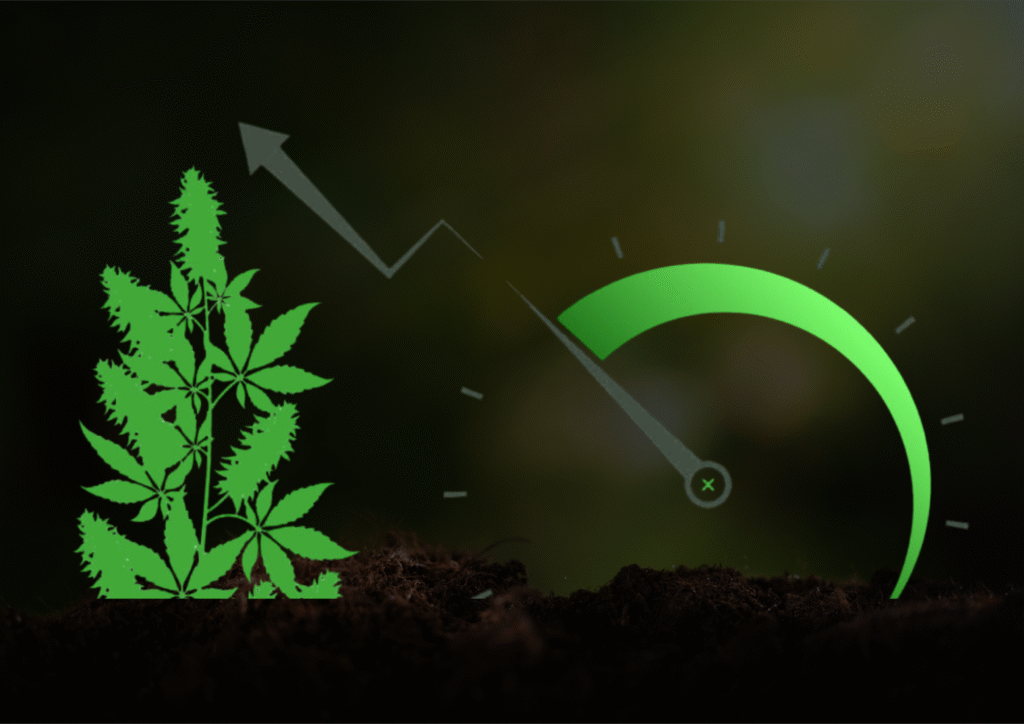
Cannabis tolerance develops when the body becomes accustomed to regular exposure to cannabinoids, particularly THC. This process is largely driven by the endocannabinoid system (ECS)—a complex network of receptors that helps regulate mood, stress, sleep, appetite, and pain perception. THC interacts primarily with CB1 receptors in the brain, producing the psychoactive effects associated with cannabis.
When cannabis is used frequently or in high doses, these CB1 receptors become overstimulated. In response, the brain adapts by reducing receptor sensitivity or temporarily decreasing the number of active receptors available. This means that over time, the same amount of cannabis produces weaker effects, leading users to consume larger doses to achieve the same results. This is what we commonly refer to as cannabis tolerance.
Tolerance doesn’t build uniformly. Factors such as product potency, frequency of use, consumption method, body chemistry, metabolism, and even stress levels can influence how quickly tolerance develops. For example, daily use of high-THC concentrates can raise tolerance much faster than occasional use of low-THC flower or CBD-dominant products.
A tolerance break, often called a “T-break,” is a deliberate pause in cannabis consumption that allows the endocannabinoid system to rebalance. During this break, overstimulated receptors begin to recover their sensitivity, making them more responsive when cannabis is reintroduced. Even short breaks can have noticeable effects, while longer breaks typically result in a more significant reset.
Beyond lowering tolerance, tolerance breaks serve a psychological purpose as well. They provide an opportunity to step back and assess consumption habits, identify patterns of overuse, and reconnect with baseline mental and physical states without cannabis. Many people report increased mental clarity, improved sleep quality, and a renewed appreciation for cannabis after a break.
It’s important to understand that a tolerance break does not erase experience or preference—it simply changes how the body responds. When cannabis use resumes, effects often feel stronger, faster, and longer-lasting. This heightened sensitivity is not a sign of weakness or regression, but rather evidence that the system has reset.
Recognizing how tolerance works—and how breaks affect the body—helps set realistic expectations for reintroducing cannabis. Instead of returning to previous doses, users benefit from treating post-break consumption as a fresh start. This mindset supports safer use, reduces the risk of discomfort, and encourages a more mindful and intentional relationship with cannabis moving forward.
Start With Low-THC or CBD-Rich Products
After a tolerance break, your body’s response to cannabis—especially THC—can be significantly stronger than before. Returning with high-potency products increases the risk of anxiety, discomfort, or feeling overwhelmed. Beginning with low-THC or CBD-rich options allows for a gentler, more controlled reintroduction.
Why Low-THC Products Are Better After a Break
- Reduced risk of overconsumption: Lower THC levels make it easier to find your comfort zone without crossing into discomfort.
- More predictable effects: Mild products help you better understand how your body responds post-break.
- Less anxiety and mental overstimulation: High THC can trigger racing thoughts, especially when tolerance is low.
- Improved control over dosing: Small amounts can be adjusted gradually instead of hitting too hard too fast.
Benefits of CBD-Rich or Balanced THC:CBD Products
CBD plays a unique role in easing the transition back into cannabis:
- Balances THC effects: CBD can reduce THC-induced anxiety, paranoia, and rapid heart rate.
- Promotes calm without intoxication: Ideal for users who want relaxation without feeling overly high.
- Supports mental clarity: Many people report feeling more grounded and focused with CBD-forward products.
- Better for sensitive or returning users: Especially helpful if you previously had negative experiences with THC.
Ideal THC Ranges to Look For
While tolerance varies, many returning users feel more comfortable starting with:
- Low-THC flower: Typically labeled as mild or beginner-friendly
- Balanced products: Equal or near-equal ratios of THC and CBD
- Low-dose edibles: Single-digit THC servings rather than standard doses
Always check product labels and avoid assuming your old “go-to” products will feel the same after a break.
Product Types That Work Well Post-Break
- Tinctures: Allow precise, drop-by-drop dosing and gradual onset
- Low-dose vapes: Provide fast feedback with better control than smoking
- CBD-dominant gummies or oils: Help reintroduce cannabinoids without strong psychoactive effects
A Mindful Approach to Restarting
- Start with one small dose, even if it feels unusually low
- Wait long enough to feel the full effect before consuming more
- Observe both physical and emotional responses
- Adjust slowly over multiple sessions, not all at once
Returning to cannabis doesn’t mean picking up where you left off—it means starting fresh. Low-THC and CBD-rich products help create a smoother, safer, and more enjoyable reentry by allowing you to rebuild tolerance gradually and intentionally.
Best Practices for Reintroducing Cannabis
Start Low and Go Slow
The most important rule when returning after a break is to begin with a lower amount than you used previously. Your tolerance is likely reduced, so smaller doses can produce noticeable effects. You can always increase later if needed, but starting low helps avoid discomfort.
Choose Lower-Potency Options
Consider beginning with products that have lower THC levels or balanced cannabinoid profiles. These can provide a more manageable experience and help you gauge how your body responds post-break.
Be Mindful of Consumption Methods
Different methods—such as inhalation, edibles, or concentrates—affect the body differently. After a break, methods with faster onset and easier dose control may feel more predictable. Whichever method you choose, give yourself enough time to feel the full effects before consuming more.
Pay Attention to Timing and Environment
Your mindset and surroundings play a big role in how cannabis feels. Reintroduce cannabis in a comfortable, familiar setting where you can relax and observe how you feel. Avoid high-pressure or unfamiliar situations during your first few sessions back.
Listen to Your Body
Everyone’s reentry experience is different. Pay attention to how your body and mind respond, and adjust accordingly. If something feels too strong, take another break or lower your intake next time. Cannabis should feel supportive, not overwhelming.
Reset Your Intentions
Coming back from a tolerance break is a good opportunity to redefine why and how you consume cannabis. Whether your goal is relaxation, creativity, or social enjoyment, being clear about your intention can help guide more mindful use going forward.
Start With Low-THC or CBD-Rich Products
After a tolerance break, your sensitivity to cannabis increases. Starting with lower
potency or CBD-rich options helps you ease back in safely and enjoyably. Consider the
following types of products:
- Low-THC flower (under 10%)
. Provides a gentle introduction with less intense psychoactive effects.
. Helps prevent anxiety or overstimulation after a break. - CBD-dominant strains (e.g., Euphoria, CBD Therapy)
. Reduce THC-induced side effects like paranoia or rapid heartbeat.
. Promote calm, focus, and relaxation without strong intoxication. - Balanced THC:CBD strains (e.g., 1:1 ratio)
. Offer moderate effects that are easier to manage.
. Allow you to enjoy psychoactive effects in a controlled way while benefiting from CBD’s calming influence.
Tip: Start with small amounts, monitor your response, and adjust gradually. Even
familiar strains can feel stronger after a break, so it’s important to ease in mindfully.
Microdosing for a Smooth Reintroduction
Microdosing involves consuming very small amounts of cannabis—just enough to feel subtle effects without becoming overly intoxicated. This approach is ideal after a break, as it reduces the chance of overconsumption and helps you gradually recalibrate your tolerance.
Instead of aiming for a strong high, focus on how small doses affect your mood, body, and focus. Many people find that microdosing provides benefits such as light relaxation, improved creativity, or reduced tension without impairment. Over time, this method helps you identify your ideal dose and promotes a more mindful, controlled relationship with cannabis.
Adjusting Consumption Methods
How you consume cannabis significantly affects both the intensity and duration of its effects. After a break, reconsidering your consumption method can make a big difference in how comfortable your experience feels.
- Smoking: Quick onset but less precise dose control
- Vaping: Fast onset, more control, and lower-temperature use
- Edibles: Delayed effects that are stronger and longer-lasting
- Tinctures: Easy to dose with a fairly quick onset (15–45 minutes)
- Topicals: Non-psychoactive, ideal for localized relief
If you’re easing back in, tinctures or vaping often provide the most control. Tinctures are discreet, easy to integrate into daily routines, and allow for precise dosing. Vaping also offers quicker feedback, making it easier to stop once you’ve reached your desired effect.
Keeping a short diary can be extremely helpful. Note your consumption method, product, dose, and any physical or mental effects. Over time, this creates a clear picture of what works best for your body.
If you previously experienced anxiety or overuse from smoking, consider switching methods entirely. Trying something new can help break old habits and establish healthier patterns. Keep in mind that increased sensitivity can still occur regardless of
the method, so caution remains important.
Monitoring Your Body’s Response
Recognising Your New Sensitivity Level
After a tolerance break, it’s common to experience stronger effects from smaller amounts. Signs that your tolerance is still low may include:
- Feeling effects quickly and intensely
- More pronounced physical sensations
- Longer-lasting highs
- Heightened sensory perception
- Increased introspection or emotional awareness
These responses are normal and simply indicate that your system is adjusting.
Avoiding Overconsumption
Because tolerance is lower, it’s easy to accidentally consume too much. Signs of overconsumption can include:
- Racing thoughts or anxiety
- Dizziness, dry mouth, or red eyes
- Fast heartbeat or confusion
- Difficulty focusing or staying grounded
- Sudden fatigue or mood changes
Tips to stay on track:
- Wait at least 60 minutes between doses, especially with edibles
- Track intake and effects in a journal
- Choose calm, familiar environments
- Avoid mixing cannabis with alcohol or other substances
- Don’t consume on an empty stomach
Having a trusted friend nearby can also help, particularly if you feel nervous about
returning to cannabis after a long break. Being around people you feel comfortable with
can significantly improve your experience.
Recommended Strains and Products for Post-Break
Use
Best Cannabis Strains for Easing Back In
Strains with lower THC levels or balanced cannabinoid profiles are ideal. Look for options described as calming, uplifting, or clear-headed rather than intense or heavy hitting.
Choosing the Right Products
Products labeled as low-dose, CBD-forward, or beginner-friendly are often best after a break. Avoid concentrates or high-potency edibles until you’ve rebuilt tolerance and confidence.
Common Challenges and How to Overcome Them
Feeling Too High Too Fast
Even small doses can feel intense post-break. If this happens:
- Stay hydrated
- Use CBD oil to counteract THC effects
- Practice deep breathing to calm your nervous system
- Lie down in a quiet, dark room
- Chew black peppercorns, which may help reduce anxiety
Engaging in low-stress activities like listening to music, going for a gentle walk, or playing a simple game can also help redirect focus. Set and setting still matter— familiar environments and good company make a big difference.
Anxiety or Paranoia After a Break
Increased sensitivity can lead to anxious thoughts or deeper introspection. To reduce anxiety:
- Choose CBD-rich or balanced strains
- Stay in safe, familiar surroundings
- Consume earlier in the day
- Avoid high-THC edibles, especially at night
- Pair cannabis with calming activities
If anxiety continues over several sessions, consider taking another short break or lowering your dose further. If cannabis consistently causes discomfort, it’s okay to reconsider whether it fits into your lifestyle.

Reintroducing Weed the Right Way
A tolerance break resets your system and offers a fresh start with cannabis. How you return matters. By starting slow, choosing lower-potency products, and paying close attention to your body’s response, you can create a more positive and intentional experience.
There’s no need to rush. Think of this not as resuming an old habit, but as building a new relationship with cannabis—one based on awareness, balance, and purpose. Many people find that less truly is more, enjoying better results with smaller doses and fewer sessions.
FAQs
How long should I wait before using cannabis again after a break?
There’s no universal timeline. Even a short break can reduce tolerance, but longer breaks lead to more noticeable sensitivity. Return only when you feel ready.
Is CBD helpful when easing back into cannabis?
Yes. CBD can reduce THC-related anxiety and provide a gentler introduction, especially for sensitive users.
Should I avoid edibles after a tolerance break?
Edibles can feel much stronger due to delayed onset. If you choose them, start with very low doses and wait at least 60–90 minutes before taking more.
What if I don’t enjoy cannabis anymore after a break?
That’s completely normal. A break can change how cannabis feels, and it’s okay to step away permanently if it no longer serves you.
Conclusion
Easing back into cannabis after a tolerance break is an opportunity to reset not just your system, but your relationship with the plant. By starting with low-THC or CBD-rich products, microdosing thoughtfully, and choosing consumption methods that offer control and predictability, you can minimize discomfort and maximize enjoyment. Monitoring your body’s response, recognizing signs of heightened sensitivity, and avoiding overconsumption are key to a smooth transition. Post-break, cannabis can feel more potent and meaningful, allowing you to achieve the effects you desire with smaller doses and fewer sessions. Ultimately, approaching reintroduction with patience, mindfulness, and intention fosters a safer, more balanced, and more rewarding experience—one where you remain in tune with your body, your limits, and the benefits cannabis can bring to your wellbeing.
Want More Content Like This?
Check out these articles:
- Rapid alterations in CB1 receptor availability in males dependent on cannabis following a period of abstinence –PubMed: https://www.ncbi.nlm.nih.gov
- Cannabidiol acts as a negative allosteric modulator at the cannabinoid CB1 receptor – PubMed: https://www.ncbi.nlm.nih.gov
- Study on the pharmacological effects of cannabinoids – ScienceDirect: https://www.sciencedirect.com/science/article/pii/S0376871613002962
- Cannabidiol boosts anandamide signaling and reduces psychotic symptoms in schizophrenia – PMC: https://www.ncbi.nlm.nih.gov